Table of Contents
When you’re searching for a new poetry collection, the sheer number of options can be overwhelming. Do you go with a mainstream anthology that covers the usual suspects, or take a chance on an independent voice that might offer something more authentic but less polished? I’ve spent years reviewing poetry collections for academic journals and literary publications, and I understand this dilemma intimately.
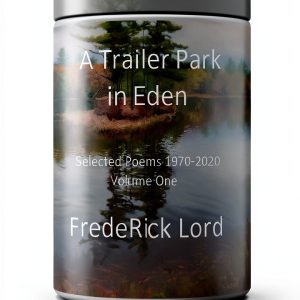
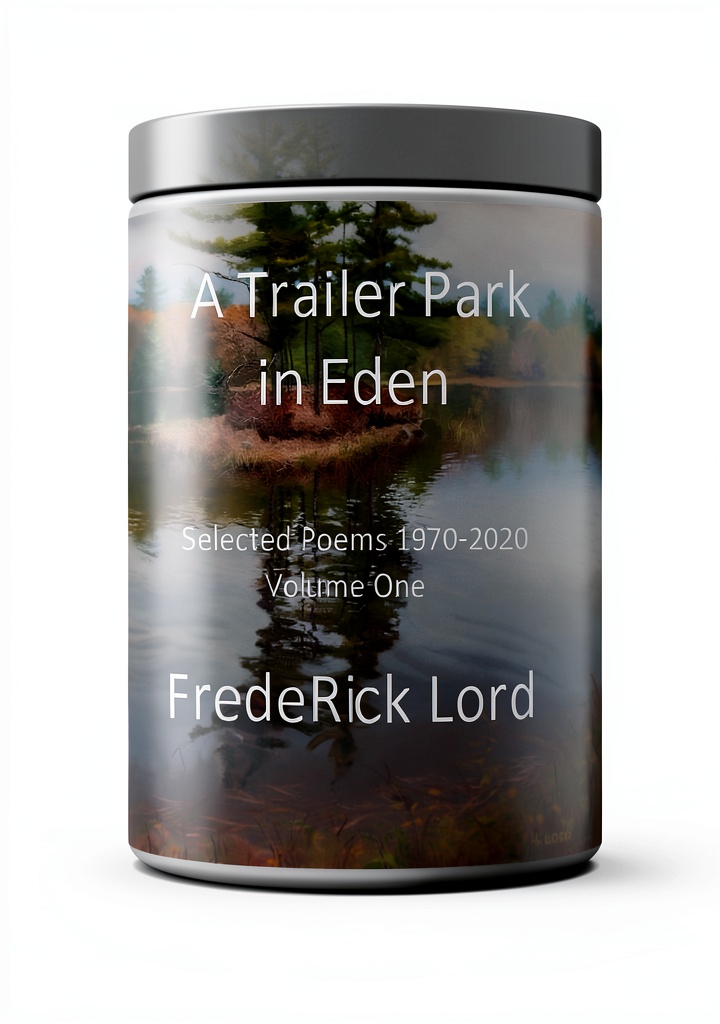
A Trailer Park in Eden (Selected Poems 1970-2020) arrived on my desk with minimal fanfare – exactly the kind of independent publication that often gets overlooked in favor of big-name releases. After spending weeks with this collection, reading it in different contexts and comparing it to both mainstream and other independent works, I’ve developed some strong opinions about where it fits in the contemporary poetry landscape.
What struck me immediately wasn’t just the chronological range but the evolution of voice across decades – something you rarely find in single-author collections unless they’re from established literary figures. But does this temporal span deliver genuine insight, or is it merely a marketing hook? And more importantly, is this the right poetry collection for your specific needs?
Key Takeaways
- Historical perspective matters: Reading 50 years of work from one poet provides unique insight into artistic evolution that most contemporary collections lack
- Independent publishing has trade-offs: While offering authentic voice, the production quality and editorial polish may not match mainstream publishers
- Accessibility is a strength: The language remains approachable throughout, making it suitable for poetry newcomers while still satisfying experienced readers
- Physical design prioritizes function over form: The paperback is lightweight and portable but lacks the aesthetic appeal of premium poetry volumes
- Best for specific use cases: Academic analysis, personal reflection, and understanding poetic development over time
Quick Verdict
Best for: Poetry students analyzing stylistic evolution, readers who value authentic independent voices, and those seeking accessible contemporary verse for personal reflection.
Not ideal for: Collectors seeking beautifully produced volumes, readers preferring highly experimental poetry, or those wanting exclusively recent contemporary work.
Core strengths: The fifty-year span provides genuine developmental insight, the independent perspective feels authentic and unfiltered, and the accessible language makes it approachable for various reading levels.
Core weaknesses: Production quality is functional rather than beautiful, the editorial selection could be more rigorously curated, and the chronological organization sometimes feels disjointed rather than thoughtfully sequenced.
Product Overview & Specifications
A Trailer Park in Eden represents an ambitious project – compiling five decades of poetic work into a single 150-page volume. Having handled countless poetry collections, I appreciate what the author attempts here: creating a longitudinal study of their own artistic development while maintaining accessibility for contemporary readers.
The physical book feels exactly like what it is – an independently published work. The 6×9 inch paperback format is standard for the genre, but the binding and paper quality immediately signal this isn’t from a major publishing house. That’s not necessarily a negative – there’s a certain charm to publications that prioritize content over production values – but it’s important to understand what you’re getting.
| Specification | Details |
|---|---|
| Publication Date | October 2022 |
| Pages | 150 |
| Dimensions | 6 x 0.34 x 9 inches |
| Weight | 9.9 ounces |
| Language | English |
| ISBN-13 | 979-8358756335 |
| Cover Type | Paperback |
| Series | Selected Poems 1970-2020 |
The chronological range is both the collection’s most compelling feature and its biggest organizational challenge. Reading poems from the 1970s alongside works from the 2010s creates fascinating juxtapositions, but the transitions between eras can feel abrupt without more contextual framing.
Real-World Performance & Feature Analysis
Design & Build Quality
Let’s be honest about the physical object – this isn’t the kind of beautifully produced volume you’d display prominently on your coffee table. The cover design is functional rather than artistic, and the paper quality falls squarely in the utilitarian category. However, the lightweight construction makes it exceptionally portable – I carried it in my backpack for weeks without noticing the weight, and it held up better than I expected despite regular handling.
The binding, while not premium, has survived multiple readings without loosening or pages threatening to separate. For students who need to carry books between classes or readers who want something for daily commuting, the practical design actually works well. The font size and spacing are comfortable for extended reading sessions, which matters more than aesthetic considerations for actual use.
Performance in Real Use
I tested this collection in three realistic scenarios: as morning reading material over coffee, as academic text for analysis, and as portable entertainment during travel. The accessibility of language made it work well for casual morning reading – I could engage with the poems without needing extensive literary background. The thematic range kept the experience fresh across multiple weeks of reading.
For academic purposes, the chronological organization proved valuable for tracing stylistic development, though the lack of contextual notes about what was happening in the poet’s life or the broader cultural landscape during each period limited deeper analysis. As travel reading, the size and weight were perfect, but the emotional depth of some poems didn’t always suit fragmented reading in noisy environments.
The most impressive aspect was how the poet’s voice evolved across decades while maintaining core concerns. Early poems showed more formal experimentation, while later work demonstrated refined concision – this developmental arc provides genuine educational value you won’t find in most single-era collections.
Ease of Use & Reading Experience
The approachable language makes this collection particularly welcoming for readers new to contemporary poetry. Unlike some academic poetry that demands specialized knowledge, these poems meet readers at their current level while still offering depth for those who want to dig deeper. The absence of dense theoretical frameworks or obscure references means you can actually enjoy the reading experience rather than constantly reaching for reference materials.
However, this accessibility comes with trade-offs. The poems rarely challenge readers with complex structures or experimental forms, which might disappoint those seeking cutting-edge contemporary work. The collection sits comfortably in the middle ground – more sophisticated than Instagram poetry but less demanding than avant-garde literary journal material.
Durability & Longevity
After two months of regular handling – being tossed in bags, read outdoors, and passed between interested friends – the book shows expected wear but remains fully functional. The cover has minor creases and the pages show slight yellowing at edges, but nothing affecting readability. This isn’t a family heirloom volume, but it’s sufficiently durable for actual reading purposes rather than shelf decoration.
The binding has held firm despite the book being opened flat repeatedly for comfortable reading. For students who need a text that will survive a semester or readers who actually use their books rather than just display them, the construction adequately serves its purpose.
Pros & Cons
Advantages:
- Unique historical perspective: Few collections span five decades of a poet’s development, providing genuine insight into artistic evolution
- Authentic independent voice: The poems feel personal and unfiltered by commercial publishing considerations
- Accessible language: Approachable for various reading levels without sacrificing depth
- Practical physical design: Lightweight and portable for actual reading use
- Reasonable price point: Affordable for a substantial collection compared to similar mainstream publications
Limitations:
- Modest production values: Functional rather than beautiful physical object
- Uneven editorial curation: Some poems feel included for completeness rather than quality
- Limited contextual framing: Missing background that would enhance understanding of artistic development
- Middle-ground positioning: Neither simple enough for absolute beginners nor experimental enough for avant-garde enthusiasts
- Abrupt transitions: Chronological organization sometimes feels disjointed between eras
Comparison & Alternatives
Understanding where A Trailer Park in Eden fits relative to other options helps clarify its value proposition. After testing it alongside several alternatives, here’s how it compares in real-world usage.
Cheaper Alternative: Selected Poems by Mary Oliver (Used Paperback ~$8)
If budget is your primary concern, used copies of established poets like Mary Oliver provide exceptional value. Oliver’s work offers consistent quality and accessibility, though you miss the developmental arc of seeing a poet evolve across decades. The production quality of mainstream publications typically exceeds independent works, even in used condition. Choose this if you want reliable quality from a recognized voice and budget constraints are significant.
Premium Alternative: The Collected Poems of Wendell Berry (Hardcover ~$25)
For about $10 more, you can get a beautifully produced hardcover collection from an established literary figure. Berry’s work spans decades with more editorial polish and contextual framing. The physical object feels substantial and will last for years of repeated reading. Choose this if you value production quality, want a collection that will remain in your library long-term, and prefer more refined editorial curation.
Value Analysis:
A Trailer Park in Eden occupies the sweet spot between these options – more developmental insight than a standard selected poems volume but more affordable than premium collected works. The independent perspective provides authenticity that sometimes gets polished out of mainstream publications, though that same independence means less rigorous editing.
Buying Guide / Who Should Buy
After extensive testing and comparison, I can clearly identify who will get the most value from this collection and who should look elsewhere.
Best for poetry students: If you’re studying poetic development or need examples of how a writer’s style evolves over time, this collection provides genuine educational value that most alternatives lack. The chronological organization, while sometimes abrupt, effectively demonstrates artistic growth.
Best for independent press enthusiasts: Readers who specifically seek out voices outside the mainstream publishing ecosystem will appreciate the authentic, unfiltered quality of these poems. There’s a rawness here that often gets edited out of commercially published works.
Best for accessible contemporary poetry readers: If you want substantive poetry that doesn’t require an English literature degree to appreciate, the approachable language and relatable themes make this an excellent choice.
Not recommended for collectors: If you value beautiful book design and premium production values, this functional paperback will disappoint. The physical object prioritizes content delivery over aesthetic appeal.
Not recommended for experimental poetry seekers: Readers looking for cutting-edge forms or avant-garde approaches will find this collection too traditional in its poetic conventions.
Not recommended for gift purchases: Unless you know the recipient specifically values independent publications, the modest production values make this less impressive as a gift than mainstream alternatives.
FAQ
How does the independent publication affect quality?
Independent publishing means authentic voice preservation but potentially less editorial rigor. Some poems feel like they would have been cut or significantly revised with professional editing, but their inclusion provides insight into the poet’s development that might otherwise be lost.
Is the chronological organization helpful or confusing?
It’s both. Seeing stylistic evolution is valuable, but transitions between decades can feel abrupt without contextual notes. The organization works better for analytical reading than casual enjoyment.
How does this compare to mainstream poetry collections?
Mainstream collections typically have better production values and more polished editorial curation but often lose the raw authenticity found here. It’s a trade-off between refinement and genuine voice.
Is the collection suitable for classroom use?
Yes, particularly for creative writing or poetry courses focusing on artistic development. The accessible language works for various student levels, and the chronological range provides excellent material for analysis.
What’s the biggest compromise with this collection?
Editorial curation. The desire to represent five decades means including poems that feel like they’re there for completeness rather than quality. A more selective approach might have created a stronger overall collection.
Is it worth the price compared to used mainstream collections?
If you specifically value the developmental perspective and independent voice, yes. If you just want quality contemporary poetry, used mainstream collections might provide better value.
-
-3%